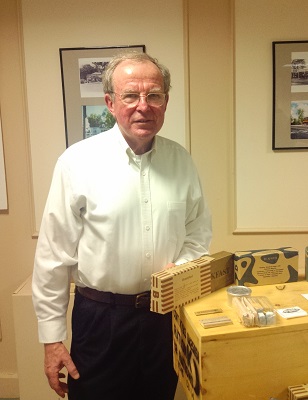
By David Moore.
Growing up in the 1950s, many things were different. The bathtub in front of the stove was not all that long ago. Many apartments did not have hot water heaters, so any hot water for washing had to be heated on the stove.
In the early 1950s, I lived in a Cold Water Flat (apartment) where we had no hot water except for what was heated on the stove. The stove was also the sole heat in the apartment and every room had a door off of the kitchen.
As a little boy, living in that flat, it was all we knew and accepted as the way it was. We had a bathtub in the bathroom, but you still had to heat the water on the stove for the tub. Mom had a white porcelain tub that was just the right size to fit in the tub. It was a lot less effort than heating a lot of water to fill the big tub. In the summer you could take a bath in the back yard when the water was heated or tempered a little by the sun on the hose lying in the grass.
Dad had a favorite phrase that he came home with after WWII, “It’s time for an Army bath”. During his tour in France during WWll, he would often have to wash up in a helmet full of hot water. In our case, it was the small bathroom sink filled with hot water heated on the stove, a bar of soap and a face cloth. That took even less hot water, we would stand on the toilet seat lid and get bathed with a nice warm face cloth.
Speaking of the toilet, some may remember the term, “pull the chain when you’re done.” Some toilets had a water tank mounted high up on the wall and there was a chain that hung beside it to flush it.
A special treat was to go down to my grandmother’s and they had a big copper water tank in a small closet behind the stove, that was heated by the stove and you could get a full tub of hot water. For years after the water tank was removed that closet was known as the “hot closet” and a great place to warm your coat on a winter day.
Grandma also had central steam heat but only on the first floor. There was a vent in the kitchen ceiling over the kitchen stove that would allow heat to rise to the second-floor bedrooms. It also allowed the wonderful aroma of breakfast cooking as we crawled out of bed.
Another option would be a public bath that some communities had. The closest thing Bridgewater had to a public bath were the locker rooms at the foundry where employees could bring their families down on Sunday mornings for a hot shower. As time went on, some of the social clubs had showers available for their members and families. The little things that we take for granted today have not always been so common.
Later on, as laws changed that required that the landlord had to make it possible for tenants to maintain 68 degrees in each room with the doors closed. As a building inspector in town, I saw landlords get around this law by installing electric baseboard units which were then billed to the tenants.